
Animals and Wildlife in Lake Mburo – Lake Mburo National Park is home to many animals and birds, with over 68 mammal species and 350 bird species living in its savanna plains, woodlands, and wetlands.
Wildlife can be seen all year round, but the best time is during the dry season from June to August and December to February, when animals gather near water sources. During the wet season, they often move deeper into the bush and are harder to find.
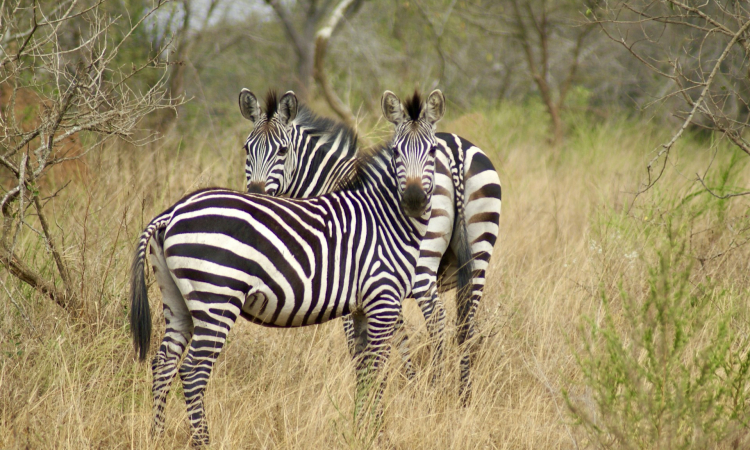
The park is well known for its large number of zebras, especially around the Kazuma trail and Rwonyo area. These black and white Burchell’s zebras are easy to spot on game drives or walking safaris.
Other common animals include impalas, topis, elands, warthogs, and bushbucks, which are usually seen during the day. Buffalo herds of over 100 animals and several giraffes also live in the park.
At night, visitors can look for nocturnal animals like leopards resting on rocks, laughing hyenas on the western side of the park, wild cats, and side-striped jackals. These are some of the highlights during night game drives.
While on a boat cruise on Lake Mburo, you can see hippos resting in the water, crocodiles on the shores, and many waterbirds. Birds in the wetlands and nearby areas include the African finfoot, papyrus gonolek, shoebill, African wattled lapwing, greater painted snipe, blue-breasted kingfisher, red-faced barbet, Tabora cisticola, and the bare-faced go-away bird.
Other animals in the park include oribis, bushpigs, hares, sitatungas, common warthogs, klipspringers, rats, porcupines, squirrels, and pangolins. There are also reptiles such as geckos, snakes, chameleons, tortoises, lizards, and skinks, though they can be hard to see.
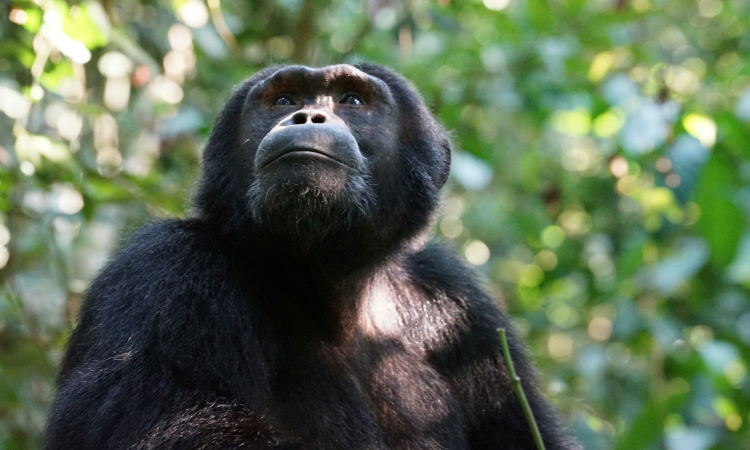
Rubanga Forest and the thick bush areas are home to two primates: olive baboons and vervet monkeys. These can often be seen during guided walks or game drives. Some of the smaller carnivores in the park include aardvarks, weasels, African civets, mongooses, honey badgers, hedgehogs, and African wild cats.
Lake Mburo National Park has many different wildlife species, even though it is one of the smallest parks in Uganda.