
The Lake Mburo-Nakivali wetland system includes five lakes: Lake Mburo, the largest, Kigambira, Mulukula, Kazuma, and Bwara. These lakes are located in the west-east area.
The system faces threats such as overfishing due to growing demand for fish, pollution, hunting, and habitat destruction. These problems have caused many species to lose their homes or lives.
The good news is that an inspection team works closely with the Uganda Wildlife Authority to manage the area and create a plan to protect it.
The wetland system is home to many wild animals, including globally threatened birds like the papyrus yellow warbler and the shoebill. It also hosts 22 species of Palearctic and Afro-tropical migrant birds.
Remarkably, this system supports two rare fish species called cichlids, which have disappeared from the main lakes. It is also the only place in Uganda where you can find impalas.
People benefit from this wetland in many ways. It provides water for daily use and pasture during droughts. It also offers materials used for crafts and thatching. The area is important for research and tourism.
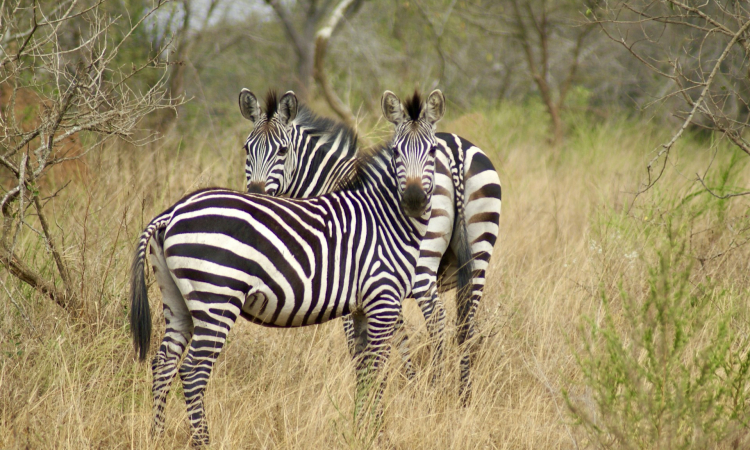
Lake Mburo National Park, where this wetland system lies, is home to not only many birds but also many wild animals. Zebras are often seen near water and grasslands.
They live in large groups called herds, which split into smaller family groups made up of one male, several females, and their young.
When a male zebra reaches one to three years old, he leaves his group and joins a bachelor group.
Impalas are common in the park, along with elands, which belong to the antelope family. You will also find buffaloes feeding on plants, including defassa waterbucks and reedbucks.
The open savannah hides leopards and hyenas that hunt herbivores and are usually found near wooded areas. Other animals such as topis, warthogs, bush pigs, hippos, and crocodiles add to the park’s wildlife.
The Lake Mburo-Nakivali wetland system must be protected to ensure a healthy future for its plants, animals, and people.
Want to enjoy calm water and nature? Take a look at Rwizi River.