
History of Lake Mburo National Park – Lake Mburo National Park is found in Kiruhura District in western Uganda and covers 370 square kilometres. It is the smallest national park in Uganda, home to many wildlife species and wetlands. The park’s history involves cultural, political, and conservation events.
Before it became a national park, the area was occupied by the Banyankole and Bahima pastoralists who used the grasslands to graze their long-horned cattle. It was first used as hunting grounds and farmland, especially by the Bahima, because of its fertile soil.
The name “Mburo” comes from a local story about two brothers, Kagirama and Mburo, who lived near the lake. Kagirama had a dream warning him of danger and told his brother to move to higher ground.
Mburo ignored the warning and stayed. Later, the valley flooded, and Mburo drowned. The lake was named after him, while the surrounding hills were named after Kagirama.
The area around Lake Mburo, especially Nshara, was called “karo karungi” by the Bahima, meaning “good grazing land.” It was not heavily populated and was well known for its open plains.
In 1963, during the British colonial period, the area was gazetted as a controlled hunting ground to limit overhunting and protect the animals. Later that same year, it was declared a game reserve to protect its plants and animals. However, there were conflicts between conservation efforts and the local communities who used the land for cattle grazing.
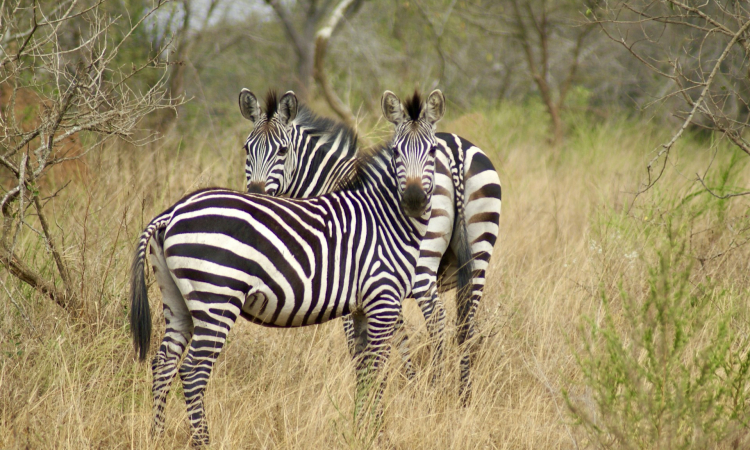
In 1983, Lake Mburo was officially declared a national park under the government of President Milton Obote. Today, it is the only park in Uganda where you can find large numbers of zebras, impalas, elands, buffaloes, and some elephants.
The park offers many activities like boat cruises on Lake Mburo, bird watching with over 350 bird species, walking safaris, rock climbing, and game drives.
Lake Mburo National Park has gone through many changes—from a hunting ground to a game reserve and finally a national park. Despite challenges, it has remained a place of great wildlife and cultural importance.