
Facts about Lake Mburo – Lake Mburo National Park is located in Mbarara Town, Kiruhura District, in the western region of Uganda. It is about 240 kilometres from Kampala.
In 1933, the park was first gazetted as a controlled hunting area and later became a national park in 1983.
The Banyankole, especially the Bahima group, were the first people to settle in the area. They kept long-horned cattle and used the land for grazing.
Lake Mburo National Park was named after a man called Mburo who died when the valley flooded and formed the lake.
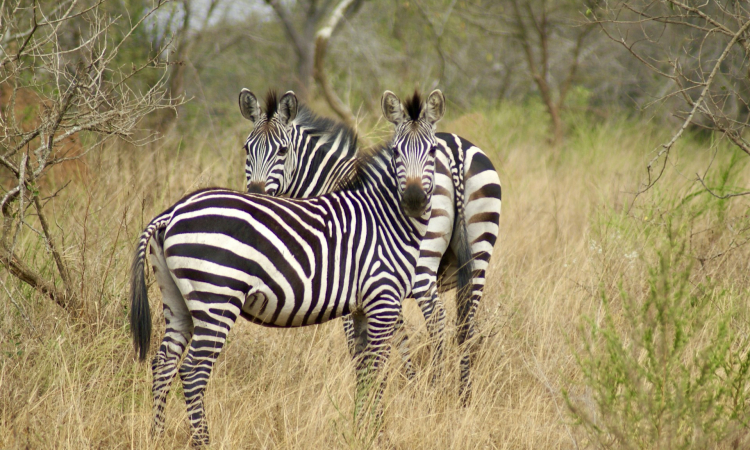
The park is home to over 68 mammal species, including groups of zebras, elands, and topis, which are not commonly seen in other parks. These animals often graze together in the savanna.
Lake Mburo receives fewer tourists compared to Queen Elizabeth and Bwindi Impenetrable National Parks. This makes it a quiet place with more personal wildlife experiences.
The park covers 370 square kilometres, making it one of the smallest national parks in Uganda.
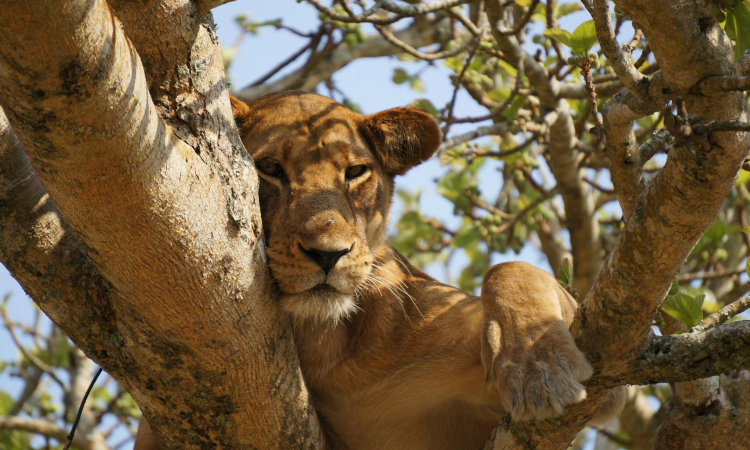
Lake Mburo has no elephants or lions, so walking safaris are safe and commonly done.
There are over 350 bird species in the park, including the African finfoot and African fish eagle, which are often seen in swampy areas.
The best time to visit Lake Mburo is during the dry season, from June to August and from December to February. During this time, wildlife is easier to see as it gathers near water sources, and the grass is short.
The park offers many unique activities such as horseback riding (only at Mihingo Lodge), cycling safaris, boat cruises, nature walks, cultural visits, and bird watching.
There are 13 lakes in and around the park, with Lake Mburo being the largest. It is home to hippos, crocodiles, and many waterbirds.
Lake Mburo is easy to reach because it is close to Kampala. The drive takes about 3 to 4 hours, so it can even be visited in a one-day trip. The park can also be reached by air through Mbarara Airstrip, followed by a short transfer by road.
Accommodation options in the park range from luxury to budget. Some of the places to stay include Mihingo Lodge, Kigarama Lodge, Rwakobo Rock, Eagle’s Nest, and Leopard Rest Camp.
The park is near the equator and close to Igongo Cultural Centre, where visitors can learn about the Ankole culture.
Lake Mburo is surrounded by woodlands, savanna, wetlands, and forests that provide a home for a wide variety of wildlife.